Hello and welcome to this beginner’s guide series to graphic design, from what graphic design is, skills to be a graphic designer, design theory, education you need, equipment you need, to the graphic design portfolio and interview advice. This series is for anyone at any level, so if you’re interested in graphic design and considering becoming a graphic designer, then join me as I discuss this series of graphic design topics. Upbeat music.
Ready for Your Interview
So you have done all your preparation, ready for your interview. You have prepared for your presentation, carefully thought out answers to a range of possible questions, and got a good list of questions to ask. Now it’s time to attend the interview.
The Design Interview Can Be a Big Challenge
Now, the design interview can be a big challenge to overcome and tough to get through. You will be tested and you will be judged. In my experience, I have had good interviews and I have had bad interviews. I find the more you do, the better it gets.
Some Tips You Can Keep in Mind
Now, if you’re new to the industry, you may not have much interview experience, so in this video I’m going to share some of my experiences and offer some tips you can keep in mind to help you have a successful interview. Now, every interviewer or agency will have their own unique method for conducting an interview.
Everyone Will Be Judging You on Two Main Things
In my experience, I have attended lots and none are ever the same. However, there is one thing that you can be sure of: no matter how different the role, no matter what the agency, everyone will be judging you on two main things: one, your character, and two, your ability. Remember, they will be looking for someone who can be part of their team just as much as the ability to do the job.
Character Tips You Can Consider
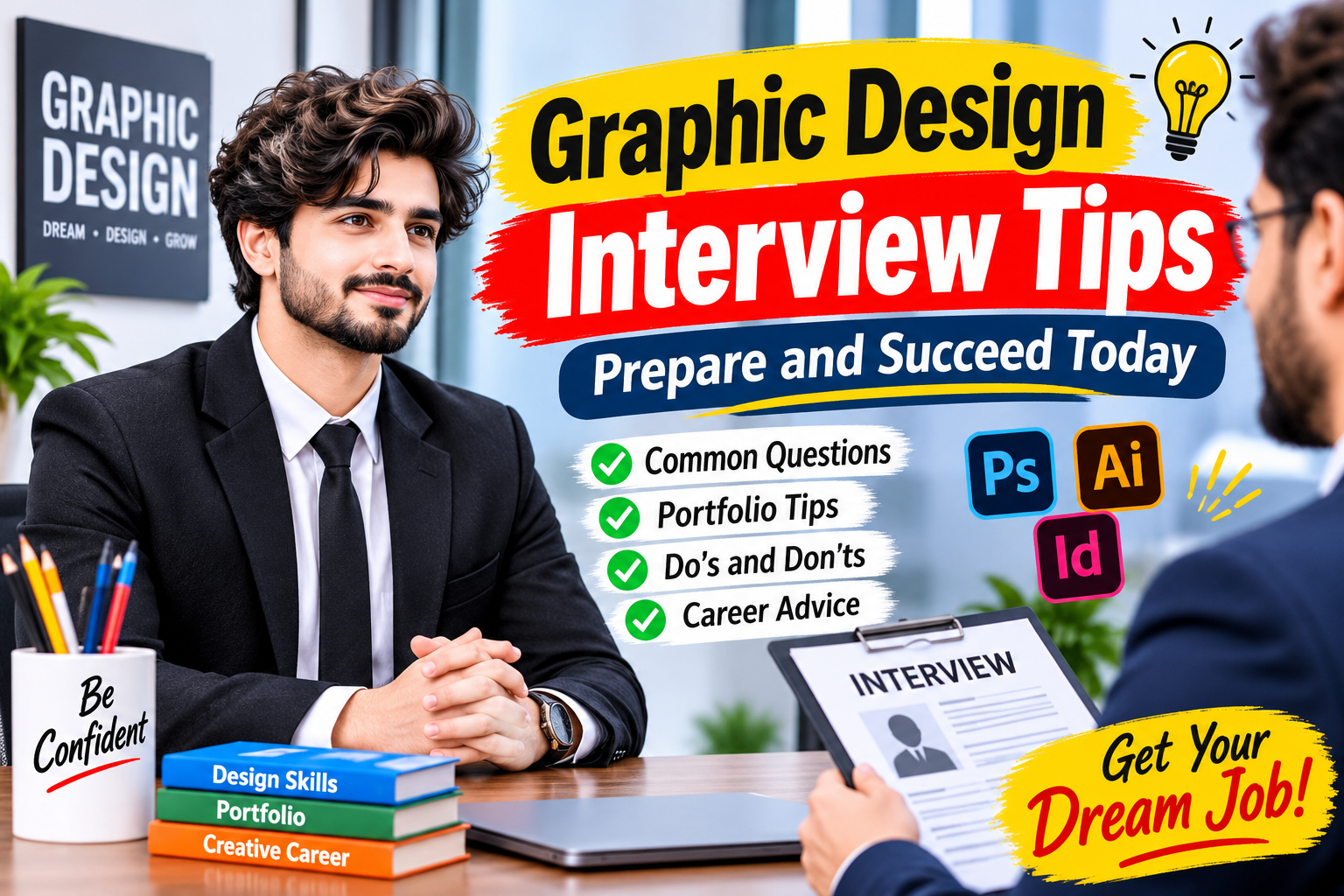
So for this video, I’m going to separate my tips into four sections: character tips, presentation tips, essential dos and essential don’ts. So here are a number of character tips you can consider when undertaking an interview. So let’s start from the beginning.
Show Up Exactly on Time
So my first tip is: show up exactly on time, not early or not late. If you arrive 10 minutes early, wait outside. Chances are you will either be interviewed after someone else or the interviewer will be taking time out of their workday to see you, so stick to the time. You don’t want to rush anyone or be late.
Memorize the Names of the People That You Will Be Meeting
Next tip: memorize the names of the people that you will be meeting before you arrive. The last thing you want to do is forget the names of the people who are about to interview you. When you arrive, you’ll want to greet them by their names and talk to them throughout the interview. This will make a good impression.
Give a Good, Firm Handshake
Next tip: give a good, firm handshake. First impressions are everything. Show you mean business and you’re confident with a good handshake.
Eye Contact with Everyone
Next tip: eye contact with everyone. So be prepared to be interviewed by more than just one person. Now, this is generally done so after your interview the people who interviewed you can compare notes. In my experience, you will often get one that asks all the questions and one that just sits quietly and observes or maybe asks a few questions every now and then.
Deliver Your Answer to Everyone in the Room
Don’t just talk at the person who addresses you. When you’re asked a question, deliver your answer to everyone in the room. When you talk and give your answer, make sure to make eye contact with everyone. This will give off a good impression and demonstrate good presentation and people skills. You’ll seem confident, considerate and likable.
Take Your Time Answering Questions
Next tip: take your time answering questions. Now, if there is ever a time you need your wits about you, it’s at an interview. Be prepared to answer lots of questions. You may find some a real challenge to answer and this could catch you off guard.
Ask If You Can Come Back to the Question Later
Remember to take your time. Even if you have to pause for a second to think, take your time. If you Unable to think of an answer, ask if you can come back to the query later while you have a break to think.
Where You Lack Experience, Make Up for in Eagerness to Learn
Next tip: where you lack experience, make up for in eagerness to learn. Now, depending on your level and what job you are going for, you will be tested on your experience. If you do not have a lot of experience to answer some tough questions, don’t be afraid to admit that you don’t have that experience.
A Good Attitude and Willingness to Learn
Be ready to confront it with a positive response. Here you can reply by saying what you might do to overcome that challenge and what you would hope to learn. This will display a good attitude and willingness to learn. So these are a few character tips. Try and keep these in mind, as they will help you make a good impression.
Some Tips to Present Your Portfolio
So once you and the interviewer are settled in, it will come the time to showcase your work. Here are some tips to present your portfolio. So my first tip is: stand up and present. Now, this may seem obvious to some, but you would be surprised how many times I have been told that people don’t do this.
Your Interview Is a Presentation, but It Can Also Be a Performance
Now, remember, your interview is a presentation, but it can also be a performance. When asked to talk about your work, don’t just talk about it, stand up and present it. If your interviewers are sitting down, here you have a chance to take control. Stand up and present your work.
Impressionable Qualities That They Will Remember
You will also find that by standing up, you will be able to speak more clear and breathe more clearly, which will hopefully make you feel a little bit more at ease. This will say a lot about your character: you’re confident, you can take control and you can present well. Impressionable qualities that they will remember.
Start on a High
So next tip: start on a high. Be sure to kick off your portfolio presentation with one of your most interesting and impressive projects. By starting with one of your most impressive projects, you will start with confidence, and by the time you’re done talking about your first project, you will be nicely warmed up, settled in and good to carry on. This will also make for a good first impression of your work.
Talk in Detail About Your Work
Next tip: talk in detail about your work. Now, chances are the interviewer will have already seen your work and you got the interview because they liked what they saw. Here the interviewer will be expecting you to talk about your work. They will be looking to get a good idea of your involvement in the work and will be taking a note of your presentation skills.
Be Sure to Touch on Some of the Following
As you talk about each project, be sure to touch on some of the following: say what you did, your involvement in the project; if you worked in a team, talk about who was involved; talk about the challenges you faced; talk about your inspirations; if you can, show your design process and talk about your research method; explain your design decisions; talk about how long it took to develop; explain how it satisfied the brief; did you exceed expectations; and finally, finish with any success stories.
Talk Calmly and Anticipate Questions
So my next tip is: talk calmly and anticipate questions. As you talk about your work, you will trigger questions. Remember to take your time and allow the interviewer to ask you questions. When asked a question, try and give a clear and direct answer.
Show Print and Digital Examples
Next tip: show print and digital examples. If you have any print examples to go with your portfolio, be sure to have them ready to show. As much as in situ shots can look great in your portfolio, interviewers love seeing the work up close and in their hands. Give something for the interviewer to hold and look at.
End on a High
Next tip: end on a high. When an interviewer tries to recall you after an interview, they will either remember your first impression or how you ended. Be sure to end on a high. When closing your portfolio presentation, be sure to put one of your best projects at the end. This will wrap up the presentation on the highest note and hopefully leave a lasting impression.
Essential Dos
So those are some presentation tips. Try and keep these in mind, as they will help you deliver a good presentation. So the next list of tips are essential dos. These are the things you really should do at an interview.
Ask Questions
So the first tip is: ask questions. Make an effort to be engaged in the interview. Whenever possible, try and ask questions. This will show good communication skills. You will have the opportunity to ask some questions at the end. Be sure to have at least six good ones. That will show the interviewer you have a genuine interest in the role and the agency.
Pull Out a Notepad or Sketchbook
Next tip: pull out a notepad or sketchbook. Appear engaged and organized. Take notes and references.
Ask for a Business Card
Next tip: ask for a business card. Towards the end of the interview, before you leave, be sure to ask for their business cards. This will show a genuine interest in the role and the people you have been talking to.
Leave Your Business Card or Something Interesting Behind
So the last tip is: leave your business card or something interesting behind. Be sure to have something prepared to give them before you leave. Now, this could be as simple as a business card or something a little more creative. Be sure it is well thought out, memorable and unique. Perhaps it incorporates your personal brand.
Think Tactile, Think Surprise, Think Alternative
Think tactile, think surprise, think alternative. People love surprise and wrapping and being presented with something hands-on. By leaving something behind, you will stand out and show you are willing to go the extra mile. If it’s good quality, chances are the person receiving it will not want to throw it away, and you will remain in their presence to be seen again later. So by being creative and making something a little more unique, you can make a lasting impression.
Essential Don’ts
So the last list of tips here are essential don’ts. These are some things you really should try and avoid doing when at an interview. Don’t criticize your last job or people you worked with. This is a big one.
There Are Always Two Sides to Each Story
Even if you had a really bad experience at your previous job or you did not enjoy working with someone, do not express it. If you did have a tough time, then explain the challenges you faced and the creative differences you had. There are always two sides to each story, and they will not know the other.
Do Not Moan or Criticize
Do not moan or criticize, because it will be a show of bad character, appear negative and can put off your potential employer. If you did have a bad experience, you can use it as an example to show how you dealt with a tough situation. If you can display understanding, determination and maturity, this will work well to impress your employer.
Don’t Talk About Money
Next tip: don’t talk about money. Only talk about money if they bring it up first. If you bring up the subject of money, it will come across like you’re more interested in getting paid than focusing on producing great work. It will come across unprofessional.
Don’t Talk About Holiday
Next tip: don’t talk about holiday. So this is the same reason as why you should not talk about money, unless, of course, they bring it up first. An interviewer will want someone who is passionate about their craft, motivated and focused. Talking about holiday before you even have the job will come across unprofessional.
Don’t Appear Desperate for the Job
So the last tip here is: don’t appear desperate for the job. If you really like the sound of the job, be sure to show enthusiasm. An interviewer will see this as a very positive sign, but the key here is to reinforce this with good reason, as this will strike confidence into the interviewer.
I Would Love This Opportunity Because
Don’t just say “I really want this job.” Say something more like “I would love this opportunity because…” and touch on some reasons. State your interest in the kind of work they do, compliment their work and explain how you would like to aspire to produce work of the same quality. State how you would be inspired in their agency to produce great work and how much you would like to work with the creative people and the team.
Try and Be Cool, Calm and Considered
If you can show genuine interest with good reason, then you will not come across as desperate. Try and be cool, calm and considered. So those are some tips to help you get a graphic design interview. If you’d like to take a closer look at the lists discussed in this video, you can find out more in the PDF document that accompanies this video series.
So What Do You Think?
Download link is in the description. So what do you think? Do any of you have some interesting interview stories and tips to share? Be sure to share your comments below. Well, I hope you enjoyed this video.
Hit the Subscribe Button
If you did, hit the like button on my Facebook page. If you’d like to see more videos like this in future, hit the subscribe button, and you can also follow me on Twitter, tastytuts. So that concludes section three of this series, becoming a graphic designer.
Section Four, Graphic Design and Beyond
Now we are going to move onto section four, graphic design and beyond. In the first video of that section, I’m going to talk about the design industry and what it’s like to be a graphic designer and the career options within the industry. So see you in the next video. Upbeat music.
Every Title is built only from words and Expression that Previously Emerge in its paragraph (Funding is the only change), and the paragraph text is unchanged.
Your title prompt came through cut off and lacking the Real title in it. If you send me the title, I’ll remodel It. If you want a title for this whole article Rather, here are two options that use only words from the duplicate
- Beginner’s Guide to Graphic Design Interview Tips
- Graphic Design Interview Tips: Essential Dos and Essential Don’ts